The Hidden Bottleneck In A 5 MW Liquid Cooling Project: Can Piping Assemblies Be Ready Before Installation?
When a data center liquid cooling project moves toward installation, attention often centers on cooling capacity, coolant distribution units (CDUs), server rack density and system integration.
Yet another question can directly affect site readiness: will the piping components arrive as complete, correctly identified assemblies, or will the project team still need to coordinate loose components, resolve dimensional issues and arrange additional work on site?
This issue is reflected in a real project requirement received by China Super Tech from a U.S. customer seeking a Chinese manufacturing partner for a repeatable 5 MW liquid cooling piping package.
The customer is looking for a partner capable of working from approved P&IDs, BIM/isometric drawings, pipe schedules and technical specifications. The requested scope includes stainless steel pipe spools, supply and return headers, branch assemblies, manifolds, valves, instrumentation, fittings and supports, together with the required factory inspection, testing, traceability and export packaging.
Can the supplier deliver piping assemblies that are ready for the next installation step-not simply a shipment of individual stainless steel components?
Why Piping Readiness Matters in High-Density Data Center Projects
AI data center infrastructure is moving toward larger and more modular cooling deployments. Publicly announced solutions from major industry suppliers illustrate the scale of this transition.
In January 2026, Vertiv announced MegaMod HDX configurations with capacity up to 10 MW. In May 2026, Trane Technologies and LiquidStack announced commercial availability of the GigaModular CDU platform, with modular capacity scaling up to 14 MW.
These announcements do not mean every data center uses the same configuration. They do, however, demonstrate why procurement teams increasingly need to coordinate cooling equipment, piping assemblies, factory preparation and site installation as parts of a larger deployment plan.
As system capacity increases, piping procurement becomes more than a question of material availability. Buyers must also consider dimensional consistency, assembly scope, inspection requirements, component identification and the timing of each delivery batch.
Real U.S. Project Case: The Challenge Starts After Engineering Approval
In the actual U.S. customer requirement received by China Super Tech, the engineering partner is responsible for the overall cooling system design and design standards.
The manufacturing partner is expected to work from the approved engineering package and produce the specified assemblies. This includes 304L and 316L stainless steel piping, prefabricated welded spools, supply and return headers, branch piping, valve and instrumentation assemblies, distribution manifolds, flanges, fittings and supports.
The customer also requires manufacturing and quality activities to be addressed before shipment, including weld inspection and NDE where specified, pressure testing, cleaning or passivation where applicable, material traceability, quality documentation and individual component identification.

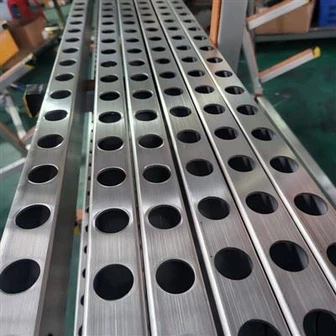
Stainless steel manifold components used in liquid cooling distribution systems.
Risk 1: Treating a Complete Piping Package as a Collection of Individual Parts
A project may require pipe, fittings, flanges, valves, manifolds and supports. Purchasing each item separately can leave the project team responsible for coordinating dimensions, interfaces, documentation and delivery timing across multiple orders.
That arrangement may be appropriate for some projects. However, where the design calls for prefabricated assemblies, a fragmented supply approach can create additional coordination work before installation.
The U.S. customer's requirement takes a different approach: the supplier is expected to manufacture complete assemblies from the approved project documents.
| Procurement Approach | Potential Coordination Issue | What to Confirm |
|---|---|---|
| Individual pipe and fitting orders | Multiple suppliers and delivery schedules | Whether the project requires consolidated assemblies |
| Fabrication from separate drawing revisions | Potential interface or revision mismatch | Approved drawing revision and change-control process |
| Separate testing and documentation | Records may be difficult to match to each assembly | Inspection records and component traceability |
| Site-side identification and sorting | Additional handling before installation | Marking, packing lists and assembly identification |
Risk 2: Approving the Material but Not the Full Manufacturing Scope
Confirming that a supplier offers 304L or 316L stainless steel is only the starting point. A complete liquid cooling assembly also has dimensional, welding, surface condition, testing and documentation requirements.
These requirements should be confirmed before production rather than left for clarification after the order has been released.
Material Control
Confirm the specified grade, material certificates, heat or batch identification and traceability requirements.
Dimensional Control
Confirm tube geometry, wall thickness, lengths, branch positions, connection details and applicable tolerances.
Welding & Inspection
Agree on welding procedures, inspection scope, NDE methods where required and acceptance criteria.
Testing & Documentation
Define pressure/leak testing, cleaning, passivation and required inspection reports before production release.
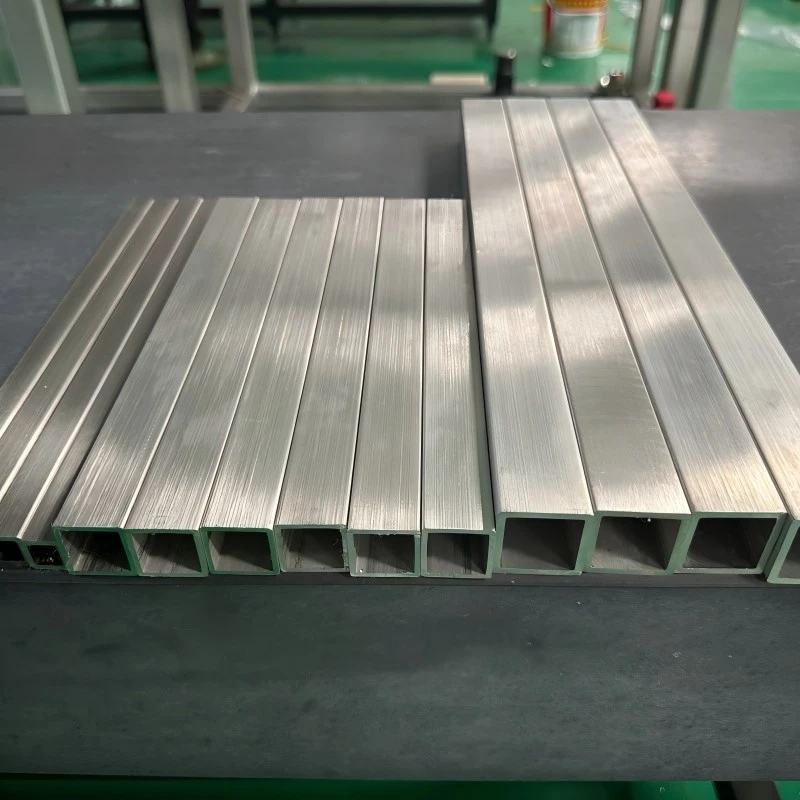
316L stainless steel liquid cooling pipe. Final material selection should follow the approved project specification.
Risk 3: Leaving Quality Verification Until the Components Reach the Site
Factory prefabrication is useful only when the manufacturing and inspection scope is clearly defined. Moving work off-site does not automatically guarantee that an assembly meets the project's requirements.
Before placing an order, buyers should establish which checks must be completed at the factory, which records must accompany the shipment and which activities remain the responsibility of the site installation team.
A practical pre-shipment checklist
- Material verification and certificate review
- Dimensional inspection against approved drawings
- Weld inspection and NDE where required
- Pressure or leak testing according to the approved procedure
- Cleaning, flushing or passivation where specified
- Component marking and identification
- Required QA records and inspection reports
- Packaging protection and packing-list verification
Test pressures, NDE methods and acceptance criteria must be agreed in the project documentation. They should not be selected solely on the basis of a supplier's standard practice.
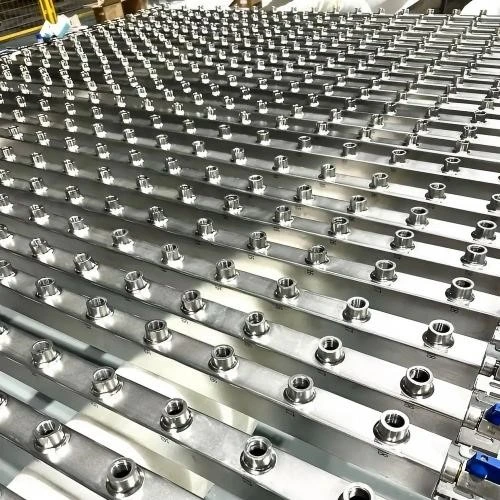
Manifold production and assembly are part of preparing components for liquid cooling infrastructure.
A Better Delivery Sequence: Resolve Requirements Before Production Starts
For a repeatable 5 MW piping package, the goal is to reduce avoidable uncertainty before the first production batch begins. A controlled sequence helps the buyer and supplier identify missing information early and align manufacturing with the site schedule.
Review approved drawings and specifications
Confirm BOM, materials and scope
Agree inspection and test plans
Fabricate and inspect assemblies
Identify, document and package
This sequence does not remove every project risk. It gives the buyer and supplier a defined process for managing drawing revisions, material requirements, inspection responsibilities and shipment readiness.
How China Super Tech Approaches Liquid Cooling Piping Requirements
China Super Tech supplies stainless steel liquid cooling pipes, manifolds and customized components for data center and thermal management applications. The relevant product scope includes 304 and 316L stainless steel options, custom tube geometry and drawing-based manifold configurations.
For a project such as the U.S. customer's 5 MW target package, the starting point is the approved engineering information. Material, fabrication scope, inspection requirements, testing criteria, identification and delivery conditions must be reviewed against the actual project documents.
304 / 316L Options
Material selection can be evaluated against coolant compatibility, design conditions and approved specifications.
Custom Geometry
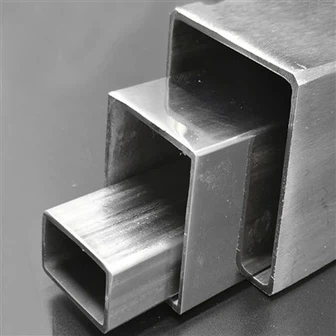
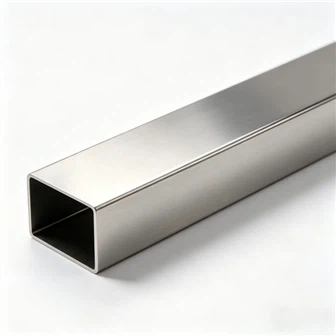
Current product capabilities include square tube sizes from 10×10 mm to 80×80 mm, wall thicknesses of 0.5–3.0 mm and lengths up to 6000 mm.
Manifold Fabrication
Customized manifolds, bends and liquid cooling components can be evaluated according to drawings and production requirements.
Surface Requirements
Internal surface roughness down to Ra ≤0.4 μm is listed for applicable products. Final acceptance values must be confirmed for each order.
Welding & Testing
Welding and leak-testing requirements can be reviewed against the approved drawings, applicable procedures and project quality plan.
Production Planning
Production scheduling should account for drawing approval, material availability, inspection hold points, quantity and packaging requirements.
Repeatability Requires More Than Repeating the Same Drawing
The U.S. customer is targeting a repeatable 5 MW piping package for a longer-term, multi-site program. In this context, repeatability means more than using the same drawing revision again.
The supplier must also maintain control over material identification, production records, inspection results, component marking and the documents supplied with each shipment.
This information helps project teams verify which assembly they have received, what inspection has been completed and which documentation applies to that component.
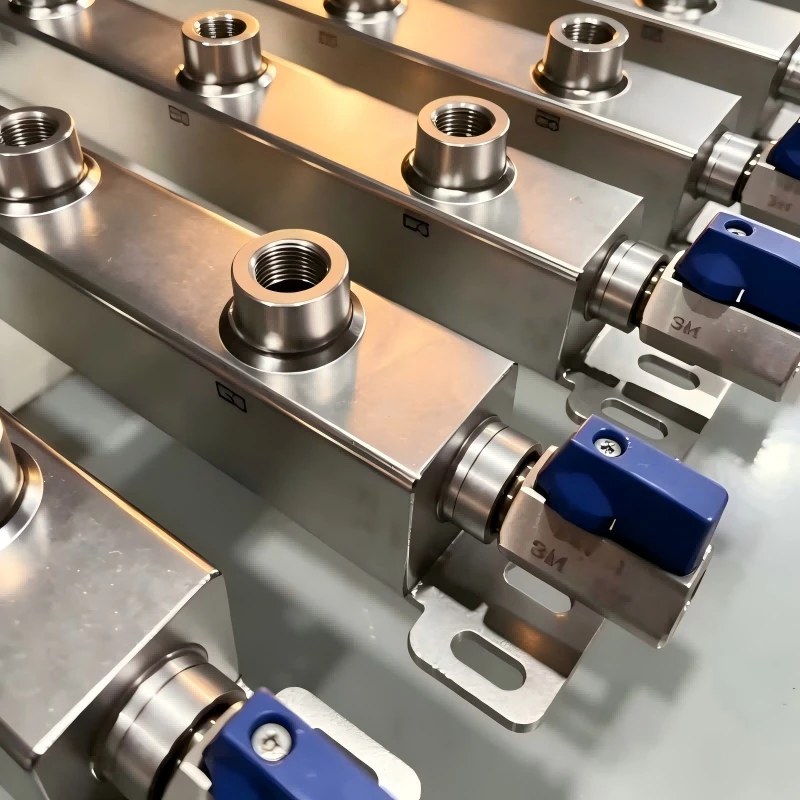
Liquid cooling manifold piping is one part of the wider data center cooling delivery chain.
What to Include in an RFQ to Avoid Unnecessary Delays
A detailed RFQ gives the supplier a better basis for checking manufacturability, confirming the scope and preparing a realistic quotation and delivery schedule.
- Approved P&ID and drawing revisions
- BIM/isometric drawings and pipe schedules
- BOM with quantities and component descriptions
- Required material grades and applicable standards
- Dimensional tolerances and connection requirements
- Welding, NDE and inspection requirements
- Pressure/leak testing procedures and acceptance criteria
- Cleaning, flushing and passivation requirements
- Material traceability, certificates and QA documentation
- Component marking and packing-list requirements
- Required delivery dates, shipping destination and packaging needs
- Expected repeat-order quantities or phased release schedule
For a multi-site program, it is also useful to identify which requirements must remain fixed across all production batches and which may change between individual site releases.
Frequently Asked Questions
Can China Super Tech review an RFQ based on customer drawings?Customers can submit approved drawings, pipe schedules, BOMs and technical specifications for preliminary review. Final manufacturability, scope, pricing and delivery timing depend on the actual project requirements.
Can the order include manifolds and prefabricated piping assemblies?Customized liquid cooling manifolds, bends and related components are within the current product scope. The feasibility of a complete assembly package must be confirmed against the drawings, component list and required manufacturing processes.
Which material should be selected: 304L or 316L?The decision should follow the approved engineering specification, coolant compatibility, operating conditions and applicable project standards. The supplier should not substitute a material grade without customer approval.
Can assemblies be tested before shipment?Testing arrangements should be agreed before production. Pressure testing, leak testing, NDE and acceptance criteria must follow the approved project specifications and documented procedures.
What affects the lead time of a custom liquid cooling package?Drawing approval, material availability, assembly complexity, quantity, tooling, inspection hold points, testing and export packaging can all affect the schedule. A reliable delivery estimate requires a review of the complete scope.
Does the 5 MW figure refer to a completed China Super Tech project?No. The 5 MW figure refers to the target piping package described in the real U.S. customer requirement. It should not be interpreted as a completed or delivered project.
Related Liquid Cooling Products
Stainless steel piping for coolant circulation and thermal management.
Data Center Liquid Cooling Manifold PipeManifold pipe solutions for data center and CDU cooling applications.
316L Liquid Cooling ManifoldsCustomized stainless steel manifolds and cooling distribution components.
Need Liquid Cooling Piping Assemblies Made to Your Drawings?
Send your P&ID, BIM/isometric drawings, BOM, pipe schedules and technical specifications to China Super Tech. We can review the required materials, assembly scope, quality documentation and testing requirements to evaluate the next steps for your project.
Include your target quantity, drawing revision, inspection requirements and delivery schedule for a more useful preliminary review.