



316 Liquid Cooling Pipe
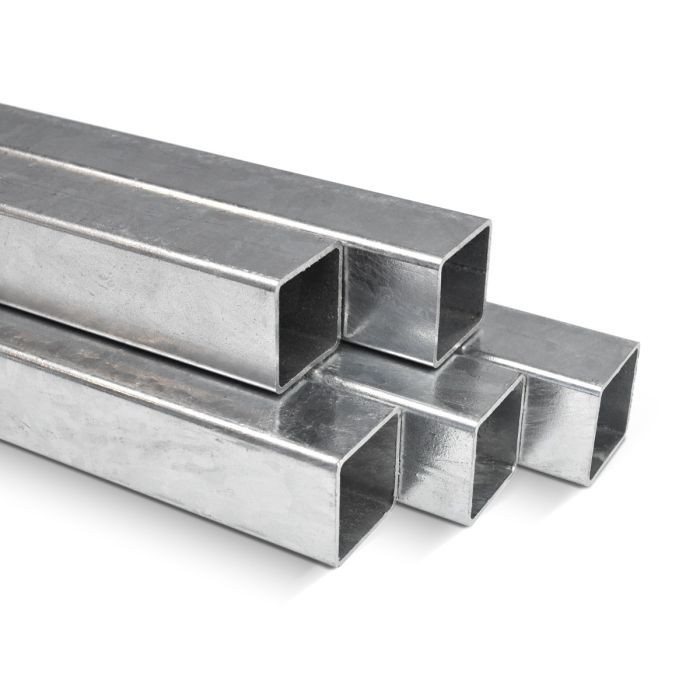
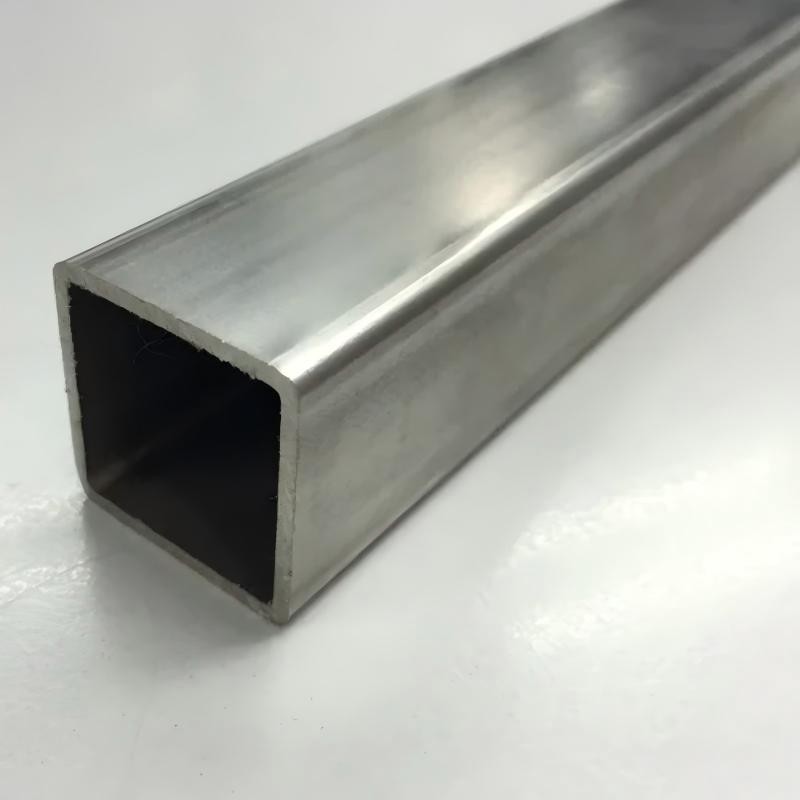
A 316L liquid cooling pipe is a seamless or welded austenitic stainless steel tube specifically manufactured for circulating coolants such as water-glycol mixtures in high-performance thermal management systems. Unlike standard plumbing-grade pipe, the 316 liquid cooling pipe is engineered with controlled internal surface roughness, certified welding processes, and strict cleanliness protocols to protect sensitive electronics and industrial equipment from corrosion, particle contamination, and leakage. For procurement managers and technical directors evaluating cooling infrastructure, the choice of piping material directly impacts system uptime, maintenance intervals, and total cost of ownership.
Product Introduction
Why Does Material Selection Matter for Liquid Cooling Systems?
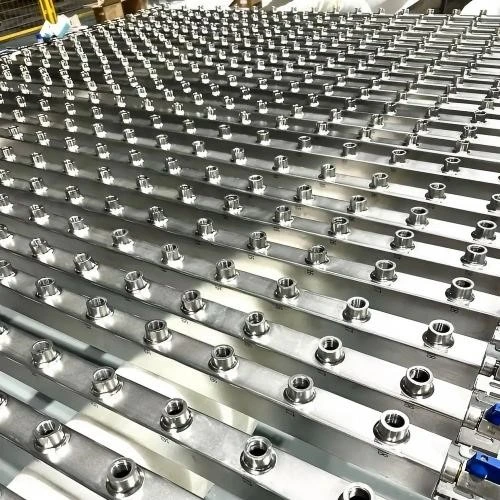
Material selection determines the longevity and reliability of a liquid cooling loop. Standard carbon steel or low-grade stainless pipe introduces corrosion byproducts that can clog micro-channels in cold plates and damage pumps. The 316L grade, with its molybdenum (Mo) content, offers superior resistance to pitting and chloride-induced stress corrosion-a critical factor when using glycol-based coolants that can become slightly acidic over time.
In a recent evaluation for a CDU (Coolant Distribution Unit) manufacturer in the EU, the engineering team compared 304 and 316L options. The 304 grade, while cost-effective for deionized water loops, showed surface pitting after 18 months of accelerated testing with a 25% propylene glycol solution at 60°C. The 316L specimens, tested under identical conditions, remained visually clean with no measurable weight loss. This difference translates into a longer service life and reduced replacement costs for the end user.
How Do You Ensure Internal Cleanliness and Low Surface Roughness?
Internal surface quality is the most overlooked specification in liquid cooling pipe procurement. A rough internal surface creates turbulence, increases pressure drop, and provides sites for particle accumulation. When particles dislodge, they can block the fine channels in cold plates, leading to hot spots and server shutdowns.
Suppliers control this through a combination of processes:
Mechanical polishing to achieve a smooth base finish
Pickling to remove oxide scale and embedded iron particles
Passivation to restore the chromium oxide layer for corrosion resistance
China Super Tech Co., Ltd. controls internal surface roughness down to Ra ≤ 0.4 μm. This is verified using a surface profilometer on sample cuts from each production batch. To put this in perspective, conventional industrial tubing typically measures Ra 0.8–1.6 μm. A smoother surface means lower friction losses and fewer contamination risks.
| 316 Liquid Cooling Pipe | Conventional Industrial Tube | |
|---|---|---|
| Surface Roughness (Ra) | ≤ 0.4 μm | 0.8 – 1.6 μm |
| Cleanliness Protocol | Pickling + Passivation | Standard mill finish |
| Particle Retention Risk | Low | Moderate to High |
| Coolant Flow Efficiency | Optimal | Reduced by turbulence |
| Recommended Winner | 316 Liquid Cooling Pipe | - |
Product features
Manufactured by China Super Tech Co., Ltd., our 316/316L stainless steel liquid cooling pipes combine superior corrosion resistance, precision welding, high pressure performance, lightweight design, and low-maintenance durability to deliver stable and efficient cooling solutions for AI data centers, EV batteries, and industrial thermal management systems.
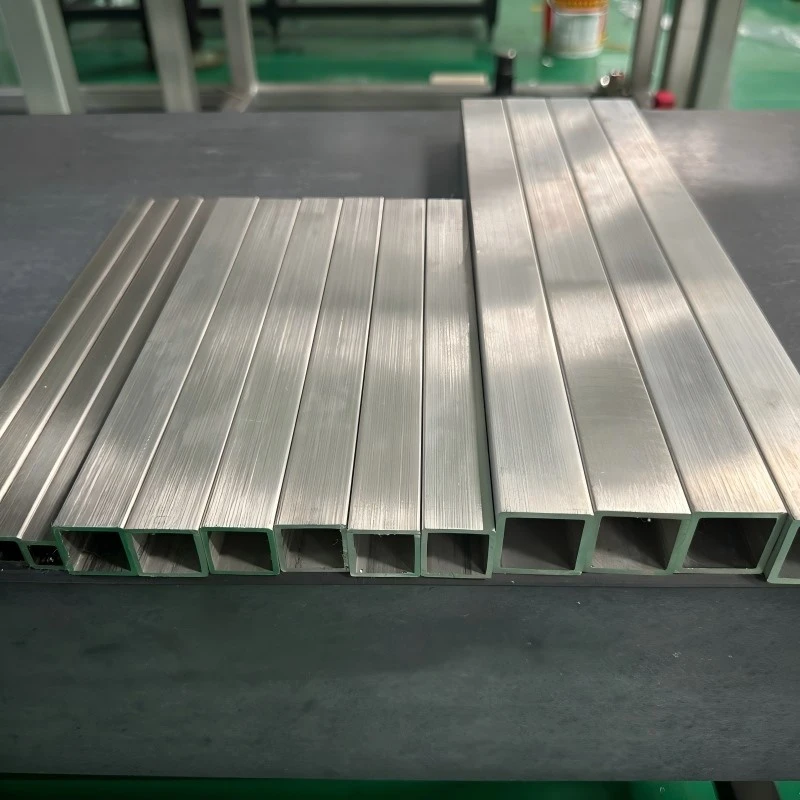
Outstanding Corrosion Resistance
316/316L stainless steel with added molybdenum delivers stronger resistance to coolant corrosion, chloride erosion, and humid environments than standard 304 tubes, helping reduce leakage risks and extend service life.
High-Precision Manufacturing
China Super Tech Co., Ltd. adopts advanced laser welding and precision forming technology to achieve smoother inner walls, lower flow resistance, and higher heat exchange efficiency for stable liquid cooling performance.


High Pressure Resistance & Lightweight Design
Designed for high-density cooling systems, our stainless steel cooling pipes provide excellent pressure resistance while being significantly lighter than traditional copper tubes, reducing installation load and improving space utilization.
Low Maintenance & Long Service Life
The smooth inner surface minimizes scaling and impurity buildup, reducing maintenance frequency and operating costs. Built for long-term reliability in AI data centers, EV battery cooling, and industrial thermal management systems.

Application
Our 316L stainless steel liquid cooling pipelines from China Super Tech Co., Ltd. deliver high-efficiency, corrosion-resistant, and stable thermal management solutions for AI data centers, GPU server clusters, industrial high-temperature systems, and medical/food-grade applications, ensuring reliable performance under extreme heat loads and demanding operating environments.
AI Data Centers & Liquid Cooling Systems
Leak-Free Cooling for Data Centers
Built for CDU, cold plate, and immersion cooling systems, our 316L stainless steel pipes deliver reliable coolant flow, corrosion resistance, and long-term leak-free performance-helping reduce PUE and improve system uptime.
High-Power AI Server Cooling
Stable Cooling Under Extreme Heat Loads
Designed for high-power CPU/GPU servers, our cooling pipes handle rapid temperature changes and continuous high heat, ensuring stable thermal performance for AI computing.
Industrial High-Temperature & Corrosive Applications
Reliable Performance in Harsh Industrial Environments
Resistant to corrosion, pressure, and high temperatures, our custom 316L piping solutions provide long service life for demanding industrial cooling and process systems.
Medical & Food Processing Systems
Clean Fluid Transfer Without Contamination
Manufactured from hygienic 316L stainless steel, our pipes provide corrosion-free, easy-to-clean fluid transport for pharmaceutical, food, and beverage production.
What Are the Common Procurement Pitfalls and How to Avoid Them?
Buyers frequently encounter several issues when sourcing liquid cooling pipes without a clear specification framework.
Inadequate Internal Surface Specification
Many RFQs specify only the outer diameter and wall thickness. Without an internal roughness requirement, the supplier delivers standard mill finish pipe. The result is higher pressure drop and contamination risk. Solution: Specify Ra ≤ 0.4 μm and require surface profilometer test reports.
Assuming 304 and 316L Are Interchangeable
These grades differ in corrosion resistance. 304 is adequate for pure water loops. 316L is required for glycol-based coolants and chloride environments. Material certification (EN 10204 3.1) confirms the grade. Solution: Conduct a coolant compatibility test with your specific fluid chemistry before mass production.
Overlooking Welding Quality Control
A supplier without ISO 3834 certification cannot demonstrate controlled weld parameters. This increases the risk of intermittent leaks. Solution: Request weld procedure specifications and proof of 100% leak testing.
Ignoring Lead Time Realities
Comparing 304 vs 316L for Liquid Cooling Applications
The grade choice depends on the coolant chemistry and operating environment. The table below outlines the key trade-offs to help buyers match the material to the application.
| Comparison Parameter | 304 Stainless Steel | 316L Stainless Steel | Recommended Winner |
|---|---|---|---|
| Pitting Resistance (PREN) | ~19 | ~25 (2-3% Mo content) | 316L for chloride/glycol |
| Chloride Environment Suitability | Limited | Excellent | 316L |
| Cost per Meter | Lower | 15–25% Higher | 304 for budget-constrained pure water |
| Typical Coolant | Deionized / Pure Water | Glycol-Water, Brine | 316L for industrial coolants |
| Long-Term Corrosion Risk (10+ yrs) | Moderate | Low | 316L for critical infrastructure |
What Are the Realistic Lead Times and Supply Capabilities?
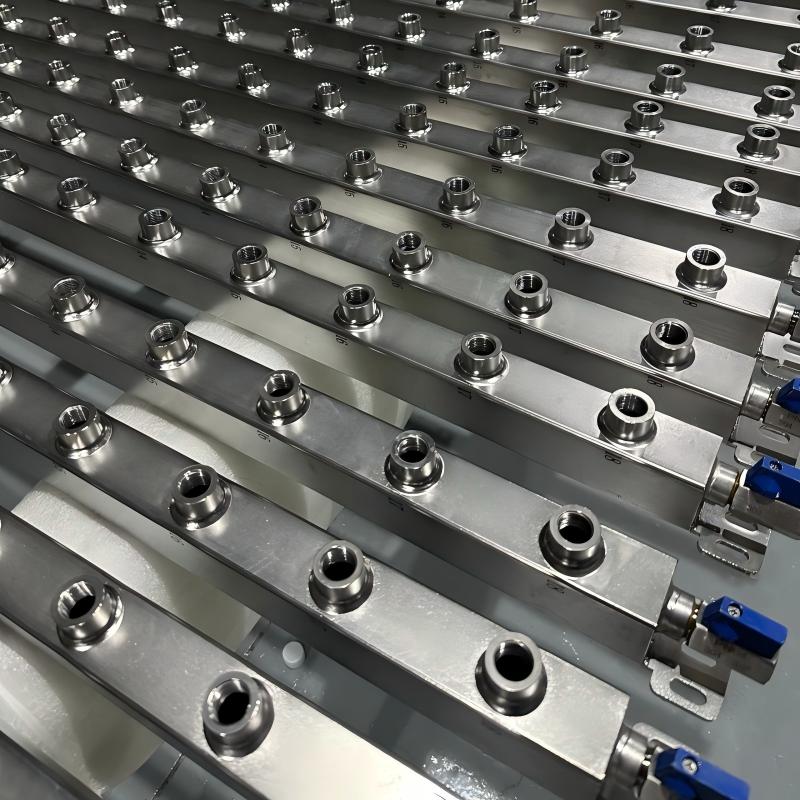
For procurement planning, buyers should understand the manufacturer's standard production cycle:
Standard straight tubes (common sizes like 20×20 mm, 40×40 mm): 7–15 working days
Custom bent tubes or manifolds (after drawing approval): 3–4 weeks
Sample orders (for new designs): 5–7 working days, depending on complexity
China Super Tech offers 30% faster delivery for urgent projects through flexible production scheduling. A 12,000-ton annual capacity ensures stability for large-volume orders and long-term supply programs. This production depth minimizes the supply chain risk of a sole-source interruption.
FAQ
What is the difference between a 316 liquid cooling pipe and a standard stainless steel pipe?
+
-
A 316 liquid cooling pipe is manufactured with stricter internal surface finish (Ra ≤0.4 μm), certified welding processes (ISO 3834), and specific cleanliness protocols. Standard stainless steel pipe has a rougher internal surface and is not designed to prevent particle contamination in sensitive cooling loops.
Why is 316L stainless steel better than 304 for liquid cooling?
+
-
316L contains 2-3% molybdenum, which increases resistance to pitting and chloride-induced corrosion. This makes it more reliable in glycol-water coolants and industrial environments. 304 is suitable for pure water loops but can pit over time when exposed to chloride-containing fluids.
What internal surface roughness should a liquid cooling pipe have?
+
-
The industry recommendation for precision liquid cooling is an internal surface roughness of Ra ≤0.4 μm. This reduces turbulence, minimizes particle accumulation, and maintains coolant flow efficiency. Internal roughness should be verified with a surface profilometer test report.
How can I verify weld quality on a 316 liquid cooling pipe?
+
-
Request the supplier's ISO 3834 welding certification and weld procedure specifications. Additionally, check that 100% of pipes are leak tested before shipment. You can request a sample and run a hydrostatic test at 1.5x working pressure to verify weld integrity.
What is the typical lead time for custom liquid cooling pipes?
+
-
Standard straight tubes are typically delivered in 7-15 working days. Custom bent tubes or manifolds require 3-4 weeks after drawing approval. Sample orders for new designs can be completed in 5-7 working days.
Ready to evaluate a 316 liquid cooling pipe for your project?
Submit your drawings and coolant specifications through the inquiry form today. Our engineering team will respond within 24 hours with a technical feasibility review and a detailed quotation.
Hot Tags: 316 liquid cooling pipe, China 316 liquid cooling pipe manufacturers, suppliers, factory, aluminum liquid cooling pipe, glycol cooling pipe, high performance thermal pipe, industrial smooth condenser tubing, mechanical cooling pipe system, process condenser tube
You Might Also Like
-
Square Liquid Cooling Pipe
-
DN80 HF Welded Fin Piping for Data Center Cooling
-

High Thermal Conductivity HF Welded Fin Tube for Semiconductor Equipment
-

Spirally Wound Stainless Steel Piping for Precision Temperature Control in Semiconductor Equipment
-
304 Stainless Steel Spirally Wound Liquid Cooling Tube
-

304 Threaded Liquid Cooling Tube
Send Inquiry
