

From 40 KW To 100 KW+ Racks: How Liquid Cooling Pipe Requirements Are Changing For AI Data Centers
Where the Heat Actually Travels
In a modern AI rack, the liquid cooling pipe is part of the thermal path between the heat-generating device and the heat rejection system. Its dimensions, internal finish, connection method and material affect how reliably coolant moves through the system.
- GPU / CPU: AI accelerators can push hundreds of watts per chip, increasing the heat load that must be removed from the rack.
- Cold Plate: The cold plate transfers heat from the chip into circulating coolant, so its inlet connection must match the connected pipe accurately.
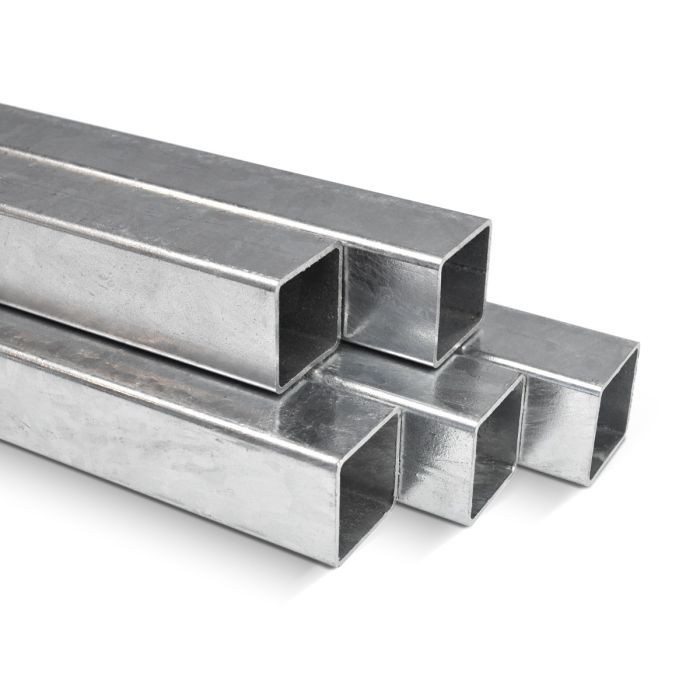
- Liquid Cooling Pipe: The pipe moves heated coolant toward the manifold and returns cooled fluid to the cooling loop. Diameter, wall thickness, bend radius and internal finish matter here.
- Manifold: The manifold distributes flow among multiple cooling branches. Incorrect tube ends or connections can create leak risks.
- CDU: The coolant distribution unit manages flow, pressure and filtration and therefore depends on the cleanliness of the upstream piping.
- Heat Rejection System: The heat is ultimately rejected outside the facility through the site's selected heat rejection architecture.
Why 40 kW and 100 kW+ Racks Demand Different Pipe
Three changes occur together as rack power density rises: coolant flow and pressure increase, routing space becomes tighter, and cleanliness requirements become more important. Each change can affect the pipe specification.
| Shift | 40 kW Rack | 100 kW+ Rack | Pipe Requirement That Moves |
|---|---|---|---|
| Coolant flow / pressure | Modest | Higher flow and pressure | Larger bore and appropriate pressure rating |
| Routing envelope | Looser | Tight, dense chassis | Tighter bends and fewer joints |
| Joint count | Lower | Higher weld density | Controlled welding and leak inspection |
| Fluid residency | Shorter | Longer | Lower internal roughness |
| Cleanliness sensitivity | Moderate | High | Controlled internal surface finish |
Higher Power Density Changes the Hydraulic Requirement
A 100 kW+ rack requires more heat to be transported through the cooling loop. This can increase coolant flow and pressure requirements, making pipe bore and wall selection more important than simply reusing the previous generation's tube.
Tighter Routing Changes the Connection Requirement
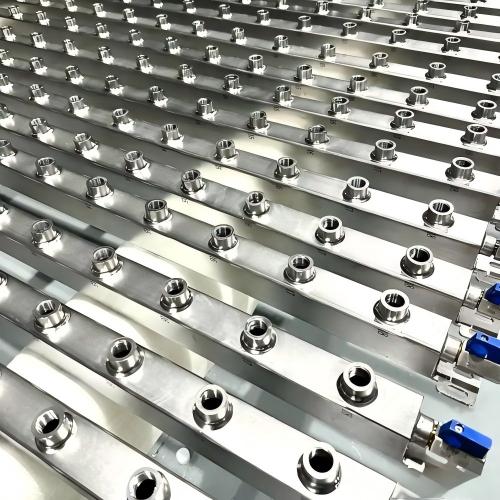
Dense AI server layouts leave less routing space. More bends and connections can be required, while every additional joint creates another potential leak point. Controlled welding therefore becomes increasingly important as routing becomes more complex.
Longer Fluid Residency Raises Cleanliness Requirements
Internal surface roughness is not only a cosmetic specification. Particles released into a cooling loop can travel downstream toward CDUs and cold plates, making internal finish and cleanliness part of the system specification.
What a Leak-Tight, Clean Loop Actually Requires
For high-density liquid cooling systems, three pipe specifications deserve particular attention: internal surface roughness, welding and leak inspection, and material compatibility.
Internal Surface Roughness
Specify internal roughness down to Ra ≤0.4 μm where the loop feeds cold plates or has long coolant residency. Polishing, pickling and passivation are used to control the internal surface.
Controlled Welding & Leak Inspection
Orbital welding and controlled welding procedures help maintain weld consistency. The source specification calls for 100% pre-shipment leak inspection before the pipe is delivered.
Material Compatibility
316L contains molybdenum and low carbon content, providing stronger resistance to pitting and chloride attack than 304 in the environments described in the source.
Related Product: 316 Liquid Cooling Pipe
For projects where material grade, internal finish and liquid-cooling compatibility need to be specified together, see the 316 Liquid Cooling Pipe product page for detailed product information.
Why Material Selection Still Matters
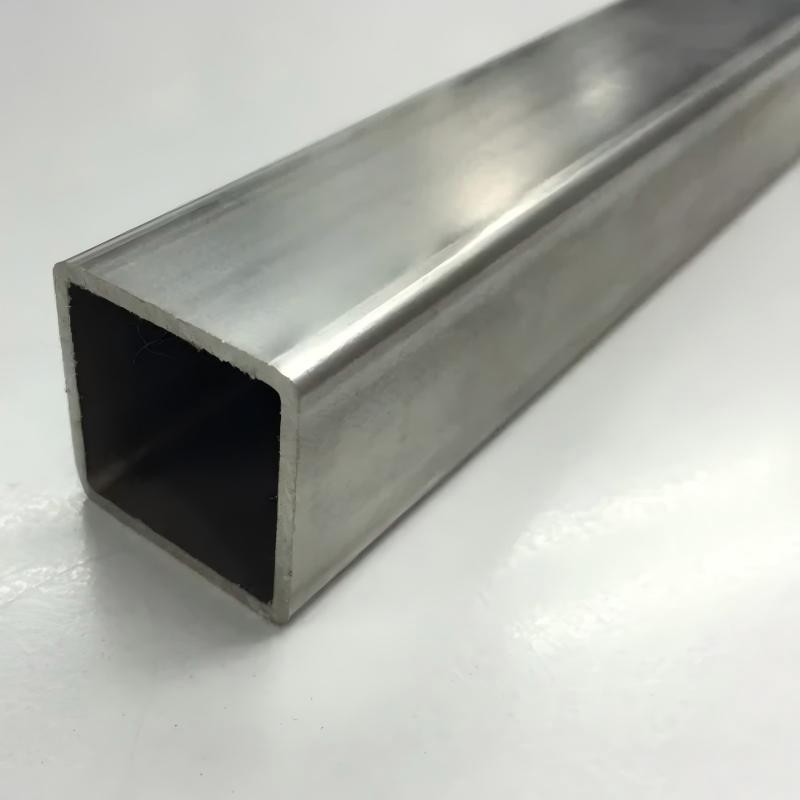
316L stainless steel contains molybdenum and lower carbon content than standard 304, which can improve resistance to pitting and chloride attack under long-term coolant exposure.
The correct grade still depends on coolant chemistry and operating conditions. The original article specifically points buyers toward evaluating the coolant rather than choosing material based only on unit price.
For systems using pure or deionized water, 304 may be considered depending on the application. For chloride-containing environments or long-term exposure where corrosion resistance is a greater concern, 316L may be selected.
Material certification and coolant compatibility should therefore be confirmed before mass production.
The Procurement Lines That Keep Moving
The technical specification is only part of the purchasing decision. For high-density liquid cooling projects, buyers also need to consider batch consistency, customization, delivery and total project cost.
Related Product: Data Center Liquid Cooling Manifold Pipe
When the pipe connects into a larger distribution network, the manifold geometry and connection configuration also need to match the rack layout. See the Data Center Liquid Cooling Manifold Pipe for information on square tube dimensions, custom bends, manifold fabrication and liquid-cooling assembly requirements.
How to Spec a Pipe for a 100 kW+ Loop

- Start from flow and pressure. Size bore and wall thickness from rack power, coolant delta-T and CDU pressure drop rather than simply copying the previous rack generation.
- Set the internal finish requirement. Where appropriate, write Ra ≤0.4 μm into the purchase specification and request measured values.
- Lock the weld and leak specification. Require controlled welding procedures and 100% pre-shipment leak inspection where the application demands it.
- Match the material to the coolant. Evaluate 304 and 316L according to coolant chemistry and operating environment.
- Fix the customization envelope. Confirm cross-section, wall thickness, maximum length, bend geometry and connection position against the routing drawing.
- Verify batch consistency. Request dimensional and weld data from consecutive production batches instead of relying on a single first-article report.
When the Pipe Becomes Part of a Complete Assembly
In dense AI server layouts, the pipe may need to work together with manifolds and pre-configured connections rather than being treated as an isolated straight tube. This makes dimensional coordination between the pipe, manifold and rack layout important.
Server-Level Distribution
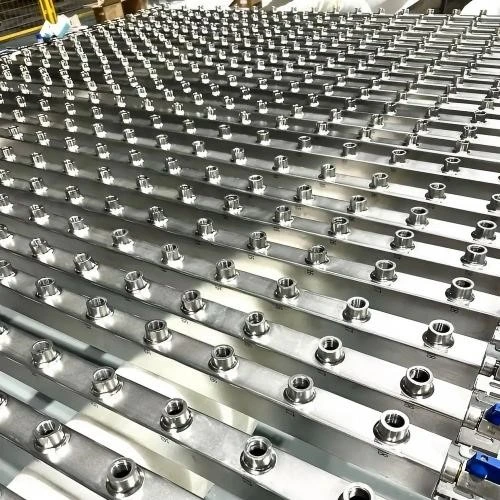
Server liquid cooling manifolds distribute coolant between the CDU and server-level cooling loops. Their branch quantity, spacing and connection configuration can be matched to the actual rack design.
If your project requires pipe and manifold coordination, you can review the Server Liquid Cooling Manifold product page.
This is particularly relevant when tighter routing requires fewer field joints and more customized bends or integrated assemblies.
The Question Worth Asking Your Supplier
Rack power is changing faster than many procurement templates are being updated. A pipe specification that worked for an earlier 40 kW rack should therefore be reviewed before it is carried into a 100 kW+ design.
The practical questions are straightforward: What flow and pressure does the new rack require? What internal finish is specified? How is welding controlled? How is leakage inspected? Is the material compatible with the coolant? Can consecutive batches maintain the same dimensions?
Frequently Asked Questions
Planning a 100 kW+ AI Data Center Liquid Cooling Loop?
Send your rack layout, coolant conditions, pipe dimensions, quantity and delivery target. The requirements can then be reviewed together to determine the appropriate pipe, manifold configuration and customization scope.


