Planning A 316 Liquid Cooling Pipe Contract For Late 2026 Or Q1 2027?
Why Should You Confirm Your Liquid Cooling Pipe Order Early?
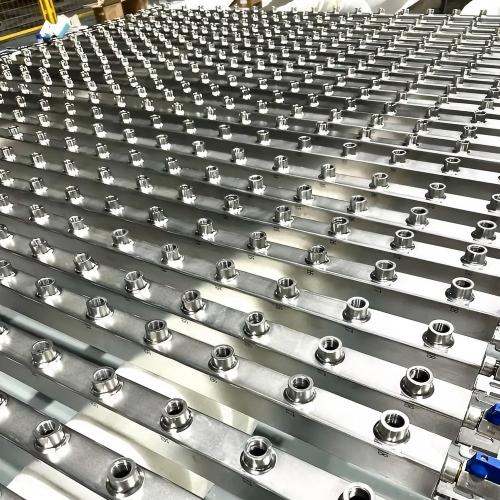
Standard straight tubes and drawing-specific assemblies do not necessarily follow the same production schedule. Custom bends, manifolds, welded connections, and non-standard dimensions may require additional engineering review, fabrication, and inspection.
If your project requires these components, confirm their feasibility and delivery dates before finalizing the overall procurement schedule. Allow time for drawing approval, production, quality checks, transportation, and incoming inspection.
For projects targeting Q1 2027 installation, reviewing critical components and issuing complete specifications in advance can help reduce avoidable scheduling risks.
Three items to confirm before placing an order
- Identify long-lead items, including custom bends, manifolds, and connection assemblies.
- Confirm the final drawings, material grade, dimensions, and interface requirements.
- Obtain written confirmation of production time, inspection scope, and the required delivery date.
Batch Consistency Matters More Than a Low Unit Price
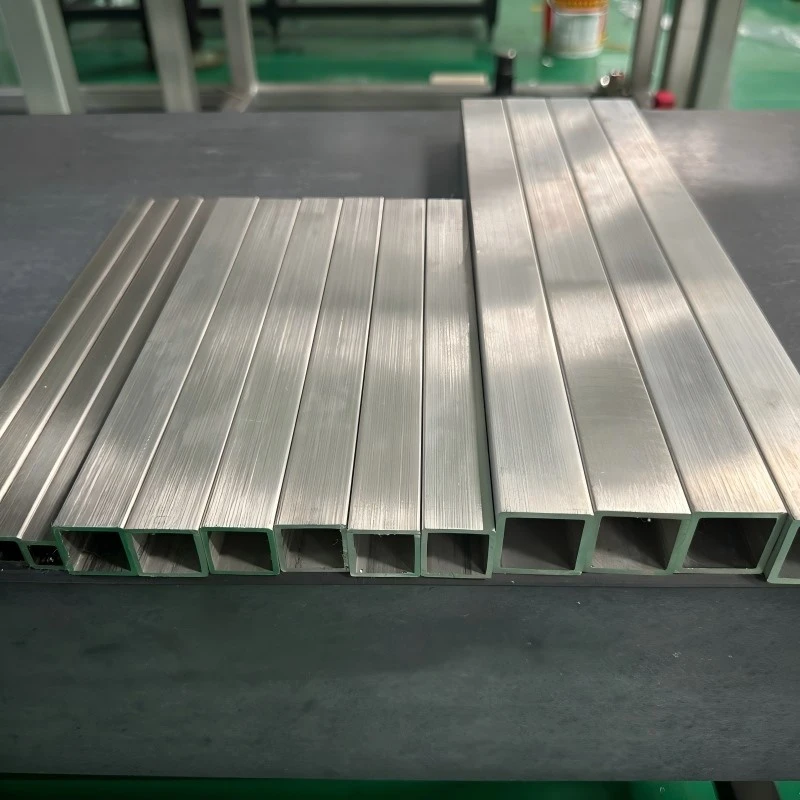
A quotation may look competitive, but dimensional variation, inconsistent wall thickness, or incorrectly positioned connections can create fitting problems during assembly. Additional machining, rework, and inspection may offset the initial price difference.
For repeat orders and multi-batch projects, buyers should establish measurable acceptance criteria before production rather than relying on a sample alone.
Compare the approved sample, production specifications, and batch inspection records using the same acceptance requirements.
Quality checks to include in your purchase specification
- Material verification: Confirm the specified 304 or 316L grade and the applicable material documentation.
- Dimensional inspection: Check section size or outside diameter, wall thickness, length, tolerances, bend geometry, and connection positions.
- Internal surface finish: Where required by the project, specify Ra ≤ 0.4 μm and agree on the measurement method and inspection records.
- Leak inspection: Define whether 100% leak inspection is required and specify the test method, acceptance criteria, and documentation.
These requirements should be agreed upon for the actual product and application. A surface roughness target or inspection procedure should not be assumed to apply automatically to every liquid cooling pipe.
Compare the Complete Supply Scope, Not Just the Pipe Price
Two suppliers may quote different prices because their offers cover different materials, fabrication steps, inspection requirements, or accessories. Before comparing quotations, make sure each supplier is pricing the same technical scope.
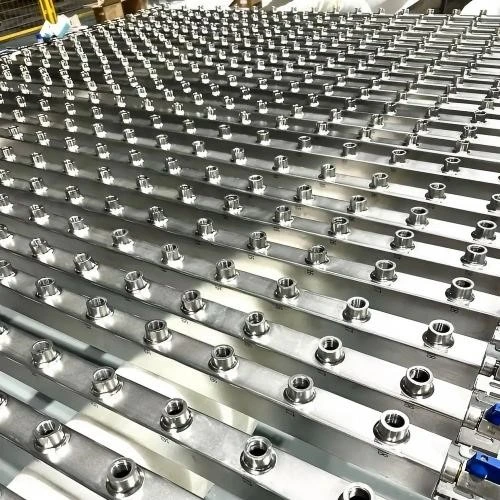
For projects involving multiple pipe sections and connection points, purchasing coordinated components against approved drawings can simplify assembly planning and reduce interface discrepancies.
Depending on the design and confirmed supply scope, custom orders may include straight tubes, elbows, tees, flanges, manifolds, and welded assemblies. Each item should be listed clearly in the quotation, with its quantity, dimensions, material, and inspection requirements.
Four cost factors worth checking
- Fabrication: Are bends, welding, flanges, and other custom components included?
- Quality assurance: Are the required dimensional checks, surface treatment, and leak tests included?
- Documentation: Will the agreed material certificates and inspection reports accompany the order?
- Delivery: Does the confirmed schedule leave enough time for transport, receiving inspection, and installation?
The lowest unit price is not necessarily the lowest delivered cost. A like-for-like quotation helps procurement teams identify excluded services and assess the cost of potential rework or schedule changes.
Confirm Material Grade and Technical Specifications
The appropriate stainless steel grade depends on the coolant composition, chloride exposure, operating temperature, pressure, and system design. 316L contains molybdenum, which generally improves resistance to pitting corrosion compared with 304 in suitable environments. However, material selection should be based on the actual operating conditions rather than grade alone.
| Specification | Reference range or requirement |
|---|---|
| Material grade | 304 or 316L, subject to coolant compatibility and project requirements |
| Square tube section | 10 × 10 mm to 80 × 80 mm |
| Wall thickness | 0.5–3.0 mm |
| Standard length | Up to 6000 mm, subject to specification confirmation |
| Internal surface roughness | Ra ≤ 0.4 μm where specified and confirmed |
| Product standards | ASTM A312, JIS G3459, or the applicable standard agreed for the product |
The dimensions above are reference supply ranges, not a guarantee that every combination of grade, section, wall thickness, length, and fabrication method is available. Confirm the final configuration against the approved drawing and technical requirements.
Get a Written Lead Time Before Releasing the Order
A standard tube order and a custom liquid cooling pipe assembly can have different production requirements. The final lead time may depend on drawing approval, material availability, order quantity, bending and welding complexity, surface finishing, inspection, and shipping arrangements.
Instead of relying on a general lead-time estimate, request a schedule tied to the actual order. It should identify the date for drawing approval, the expected production period, inspection and documentation milestones, and the planned dispatch date.
Before you approve the purchase order
- Confirm that the supplier has reviewed the latest drawing and bill of materials.
- Ask whether custom components require additional tooling, fabrication, or inspection time.
- Agree on the required test reports and material traceability documents.
- Put the delivery date, shipment scope, and any agreed expedited schedule in writing.
For urgent projects, ask the supplier to confirm whether production can be expedited after reviewing the specifications. Faster delivery should be agreed against the actual order rather than assumed from a general capacity statement.
Prepare Your 316 Liquid Cooling Pipe RFQ
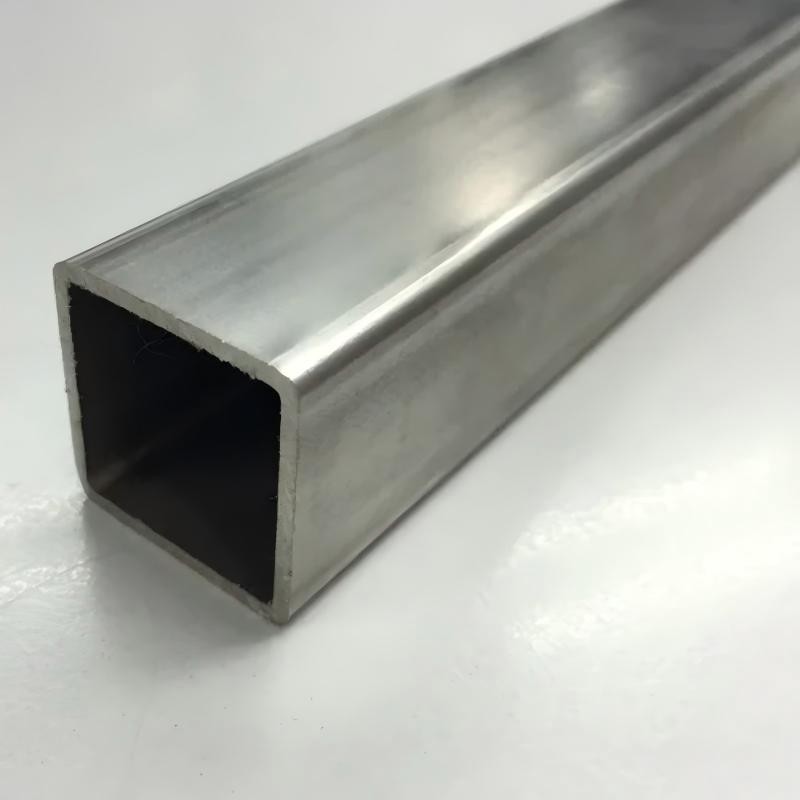
A complete request for quotation allows the supplier to assess technical feasibility and provide a more meaningful price and delivery estimate.
For new projects, include the required interfaces and operating conditions alongside the dimensional drawing. For repeat orders, identify any changes from the previously approved specification.
RFQ checklist
- Technical drawing, dimensions, tolerances, and bend radii
- Material grade and applicable product standard
- Required quantities and order batches
- Connection types, fittings, flanges, and manifold requirements
- Coolant type, operating temperature, and design pressure
- Internal surface finish, cleanliness, and inspection requirements
- Required certificates, test reports, and traceability documents
- Destination, target delivery date, and packaging requirements
Plan Your Next Liquid Cooling Pipe Order With China Super Tech
China Super Tech supplies stainless steel liquid cooling pipe solutions for data center cooling and industrial thermal management applications. Available reference configurations include square tube sections from 10 × 10 mm to 80 × 80 mm, wall thicknesses of 0.5–3.0 mm, and lengths up to 6000 mm, subject to technical review.
For projects requiring custom dimensions, bends, fittings, or coordinated piping components, submit your drawing and bill of materials for a technical review. Confirmed specifications allow the team to assess feasibility, inspection requirements, quotation scope, and the expected production schedule.
Request a Quote for Your 316 Liquid Cooling Pipe Project
Send your drawings, material requirements, order quantity, inspection criteria, and target delivery date to help assess the right supply configuration for your project.
FAQ
1. When should I order 316 liquid cooling pipe for a Q1 2027 project?
Start by working backward from the required installation date. Allow time for drawing approval, material confirmation, custom fabrication, inspection, transportation, and receiving checks. Confirm the actual production schedule with your supplier before committing to the project timeline.
2. How can I check batch consistency?
Define material verification, dimensional tolerances, surface finish, and leak-test requirements in the purchase specification. Request the agreed inspection records for each applicable batch and use the same acceptance criteria for sample approval and production deliveries.
3. Is 316L always better than 304 for liquid cooling?
Not in every application. 316L generally offers better pitting corrosion resistance in chloride-containing environments, while 304 may be suitable for less corrosive conditions. The final choice should consider coolant chemistry, operating temperature, pressure, and system design.
4. Can custom dimensions and fittings be supplied?
Custom configurations can be reviewed against approved drawings, including dimensions, bends, connection details, and required fittings. Feasibility, minimum order requirements, inspection scope, and lead time should be confirmed for the specific order.
5. What documents should accompany a liquid cooling pipe order?
Depending on the project requirements, these may include material certificates, dimensional inspection records, welding documentation, surface finish measurements, and leak or pressure test reports. Agree on the required documents and acceptance criteria before production.