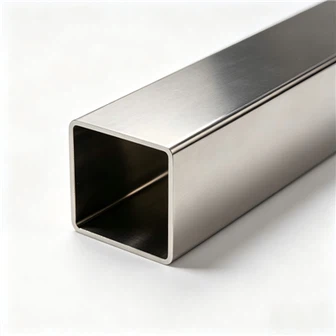
Shutdown Season Approaching: How To Plan 316 Liquid Cooling Pipe Stock And Avoid Downtime
For data center operators and liquid cooling system integrators, scheduled maintenance is only effective when replacement components, custom assemblies, and inspection documents are ready before work begins. Planning 316 liquid cooling pipe procurement ahead of a shutdown window helps reduce the risk of waiting for missing materials or delayed approvals.
The key is not simply to order more stainless steel tube. It is to identify which components have the longest lead times, confirm the required specifications, and coordinate material delivery with the maintenance schedule.
What should procurement teams confirm before shutdown season?
Material grade, internal surface roughness, dimensional tolerances, weld and leak inspection requirements, custom component lead times, and the availability of traceable inspection documents.
1. Why Shutdown Planning Starts With the Supply Schedule
A maintenance window may be fixed months in advance, but the components required to complete the work can have different procurement and production timelines. Standard straight tubing may be relatively straightforward to source, while custom bends, manifolds, welded connections, and drawing-specific assemblies can require additional engineering review and inspection.
If one critical component is unavailable, installation or recommissioning may be delayed even when the remaining materials are ready. This is why shutdown-season procurement should be based on the complete bill of materials rather than the total length of pipe alone.
Build the procurement schedule around three priorities
- Identify custom components and items requiring drawing approval before placing the main order.
- Set the required delivery date according to incoming inspection, installation, pressure testing, and commissioning activities.
- Confirm that material certificates and inspection records will be available when the shipment arrives.
The appropriate stock quantity depends on the maintenance scope, historical consumption, component interchangeability, and the consequence of a delayed replacement. A fixed buffer quantity is not suitable for every facility.
2. Confirm the Specifications Before Comparing Prices
Two quotations for 316 liquid cooling pipe may look similar while covering different material conditions, surface finishes, dimensional tolerances, or inspection requirements. Comparing unit prices without aligning these details can result in an inaccurate procurement decision.
Material grade and internal finish
316L stainless steel is commonly considered for liquid cooling pipe applications where corrosion resistance and welded fabrication are important. Its suitability still depends on the coolant composition, operating temperature, chloride concentration, and system design.
For precision cooling applications, an internal surface roughness target of Ra ≤ 0.4 μm may be specified to support cleanliness requirements and reduce locations where particles can accumulate. This is a project-specific requirement, not a universal requirement for every liquid cooling loop.
Confirm the material grade, applicable product standard, internal finish, and verification method in the purchase specification.
Specifications to include in the purchase order
| Specification | What to confirm |
|---|---|
| Material | 316 or 316L grade, material certificate, and traceability requirements |
| Applicable standard | ASTM A312, JIS G3459, or the standard specified for the actual product and design |
| Surface finish | Specified internal roughness, cleanliness condition, and inspection method |
| Dimensions | Section size or outside diameter, wall thickness, length, and tolerances |
| Welds and connections | Welding process, joint design, inspection criteria, and connection compatibility |
| Testing and documents | Leak or pressure test requirements, inspection reports, and material traceability records |
ASTM A312 and JIS G3459 cover relevant stainless steel pipe requirements, but they do not automatically define every cooling-system requirement, such as a specific internal roughness, connection geometry, or project leak-test acceptance criterion. These details should be agreed upon separately where necessary.
3. Why the Lowest Quotation May Not Be the Lowest Project Cost
A lower initial price can be attractive, particularly when procurement teams are preparing large maintenance orders. However, the comparison is only meaningful when the quoted products meet the same material, dimensional, finishing, inspection, and documentation requirements.
A quotation that excludes required surface treatment, custom fabrication, inspection records, or protective packaging may create additional costs after ordering. Dimensional inconsistencies can also lead to fitting problems, rework, or repeat inspection during installation.
Compare the total delivered scope
Material and fabrication: Are grade, dimensions, bends, manifolds, and connections included?
Quality requirements: Are the specified finish, inspection procedures, and acceptance criteria included?
Documentation: Are material certificates and agreed inspection reports supplied with the shipment?
Delivery: Does the confirmed delivery date leave enough time for receiving inspection and installation?
Requesting itemized quotations against the same drawing and specification is a more reliable way to compare suppliers than relying on a unit-price difference alone.
4. Check Weld Integrity and Leak Testing Before Shipment
Welded joints and connections deserve particular attention in liquid cooling systems. A leak can interrupt operation, damage nearby equipment, and require additional troubleshooting before the loop can return to service.
For welded stainless steel assemblies, confirm the welding procedure, applicable quality controls, inspection coverage, and acceptance criteria before production begins. ISO 3834 relates to quality requirements for fusion welding of metallic materials; the applicable certification scope and production controls should be verified rather than assumed.
Make inspection part of the delivery plan
Specify whether each tube or completed assembly requires a leak test, pressure test, or another inspection method. The method should match the component design, operating conditions, and project acceptance requirements.
Where 100% leak inspection is required, state that requirement explicitly in the purchase order and request the corresponding records.
Also confirm packaging and cleanliness controls so that the finished flow path is protected against contamination during transport and storage.

5. Order Custom Bends and Manifolds Before Standard Replacement Pipe
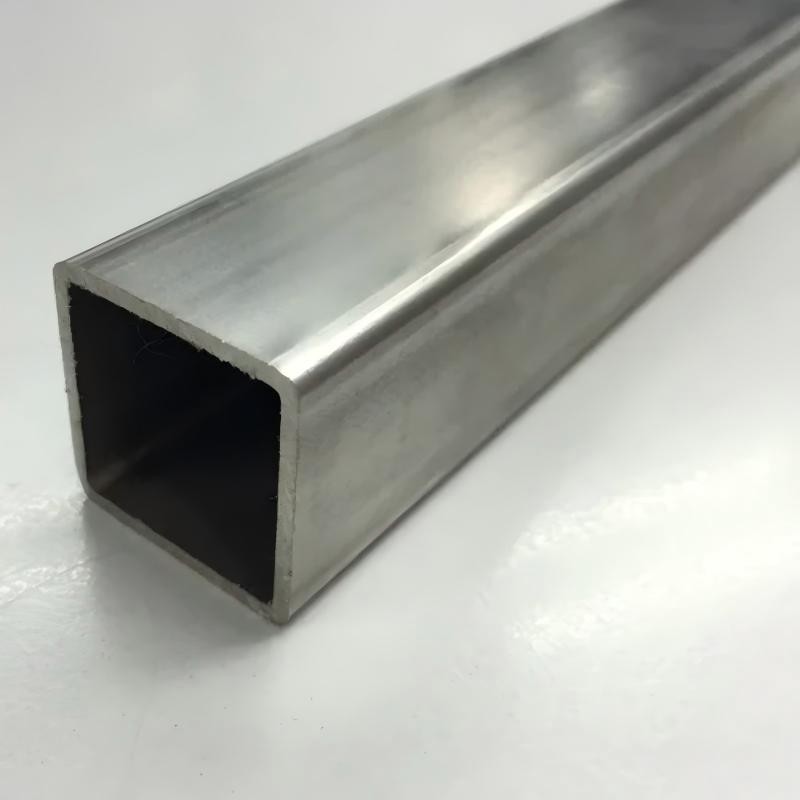
Standard straight pipe is only one part of many liquid cooling projects. Custom bends, manifolds, square-section tubes, and connection assemblies may require drawing confirmation, dedicated tooling or fixtures, welding, surface treatment, and additional inspection.
These requirements can make custom components the critical items in a shutdown schedule. Finalizing them early gives the engineering and procurement teams more time to resolve dimensional conflicts and confirm interfaces with the existing system.
Customization range to discuss with your supplier
| Parameter | Available specification range |
|---|---|
| Square tube section | 10 × 10 mm to 80 × 80 mm |
| Wall thickness | 0.5–3.0 mm |
| Length | Up to 6000 mm |
| Custom configurations | Bends, manifolds, and other drawing-based assemblies, subject to technical review |
These ranges are reference capabilities for initial discussion, not confirmation that every combination is available for every design. Final feasibility depends on material, geometry, tolerances, connection details, and inspection requirements.
When requesting a quotation, provide the latest drawing, required quantity, connection details, operating conditions, and target delivery date. This allows the supplier to review manufacturability and identify schedule risks before the order is released.
6. A Practical Shutdown-Season Procurement Checklist
Before finalizing the order, coordinate the maintenance schedule with engineering, purchasing, warehouse, and quality teams. The following sequence can help reduce avoidable delays.
- Review the maintenance scope. List replacement tubes, bends, manifolds, fittings, and other components required for the shutdown.
- Release drawings and specifications. Confirm material grade, dimensions, tolerances, surface finish, connections, and inspection requirements.
- Prioritize long-lead items. Obtain written confirmation of production time for custom assemblies and drawing-specific components.
- Align documents with receiving inspection. Agree on the required material certificates, dimensional reports, weld records, and leak-test documentation.
- Set a justified stock buffer. Base the quantity on planned work, failure history, interchangeability, and replenishment lead time.
- Confirm shipment and acceptance dates. Leave sufficient time for transport, incoming inspection, installation, and system verification.
A supplier's quoted lead time should be confirmed against the actual drawing, quantity, finish, testing, and documentation scope. A standard lead-time estimate should not be treated as a guarantee for a custom assembly.
Frequently Asked Questions
1. How far in advance should I order 316 liquid cooling pipe before a shutdown?
Start with the shutdown date and work backward from the required installation date. Include drawing approval, custom fabrication, inspection, transport, and incoming acceptance. Custom bends and manifolds should be reviewed early because their production requirements may differ from standard straight tube.
2. Is Ra ≤ 0.4 μm necessary for every liquid cooling pipe?
No. Ra ≤ 0.4 μm is a specification that may be required for precision cooling applications. The appropriate surface finish depends on the coolant, cleanliness requirements, system design, and equipment supplier's specifications. Confirm both the target value and the measurement method.
3. Which standards should be specified for 316L liquid cooling pipe?
ASTM A312 and JIS G3459 are relevant stainless steel pipe standards for applicable product types. Confirm which standard applies to the ordered product, and separately define any project-specific requirements for dimensions, surface finish, welding, testing, and documentation.
4. What documents should accompany a liquid cooling pipe shipment?
Depending on the contract, these may include material test certificates traceable to the material heat number, dimensional inspection reports, weld inspection records, leak or pressure test results, and applicable compliance documents. Agree on the required documents before production.
5. Can custom bends and manifolds be included in the same order as straight pipe?
Yes, subject to the supplier's capabilities and drawing review. Combining the items in one procurement plan can simplify coordination, but the production schedule and acceptance criteria for each component should be confirmed individually.
6. How can I compare two liquid cooling pipe quotations fairly?
Send both suppliers the same material requirements, drawings, dimensions, surface finish, inspection scope, document list, quantity, packaging requirements, and delivery destination. Compare the complete delivered scope rather than unit price alone.
Plan Your Next Liquid Cooling Pipe Order Before the Shutdown Window
China Super Tech Co., Ltd. supplies stainless steel liquid cooling pipe and customized components for data center cooling and other thermal management applications. Available options include 316L material, square-section tube, custom bends, manifolds, and drawing-based assemblies, subject to technical confirmation.
To help assess your requirements, please provide:
- Material grade, tube dimensions, and required quantity
- Internal roughness and cleanliness requirements, if applicable
- Drawings for custom bends, manifolds, or assemblies
- Required inspection documents and testing criteria
- Destination and target delivery date
Our team can review the submitted specifications and drawings, clarify technical requirements, and confirm the applicable production lead time and quotation scope.