Why Liquid Cooling Pipe Leaks Happen In Data Centers: 5 Purchasing Mistakes To Avoid
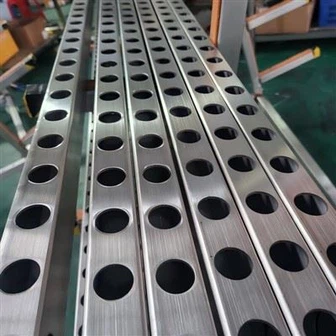
As AI data centers continue to expand, liquid cooling systems are becoming increasingly important for managing the heat generated by high-performance servers and GPU clusters. However, as liquid cooling applications become more widespread, one issue deserves greater attention from project developers and procurement teams: coolant leakage.
A small leak may appear to be a minor piping problem, but in a data center, it can lead to equipment damage, cooling interruptions, maintenance costs, and potentially unplanned downtime.
For buyers sourcing stainless steel pipes for liquid cooling systems, choosing the right material is only the first step. Pipe dimensions, connection quality, coolant compatibility, and pressure requirements are equally important.
So, why do liquid cooling pipes leak, and what should buyers check before placing an order? Here are five common purchasing mistakes that data center project teams should avoid.

1. Choosing Pipe Material Based on Price Instead of Coolant Compatibility
One common mistake is selecting a pipe based only on its price or general corrosion resistance.
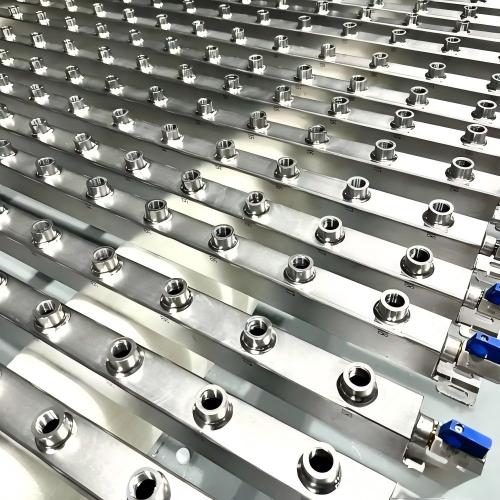
In a liquid cooling system, pipes, fittings, valves, manifolds, and other components come into contact with circulating fluids. Their compatibility directly affects the long-term condition of the cooling loop.
316L stainless steel is often considered for industrial cooling applications because its molybdenum-containing composition provides improved resistance to certain corrosive environments compared with 304 stainless steel.
However, 316L is not automatically suitable for every cooling fluid. The actual corrosion risk depends on coolant composition, chemical additives, operating temperature, fluid pH, chloride concentration, and contact with dissimilar metals.
Confirm the coolant type, operating temperature, and wetted materials throughout the system. Ask the engineering team or coolant supplier to verify material compatibility before selecting the pipe grade.
2. Ignoring Pipe Diameter and Wall Thickness Requirements
Another common purchasing mistake is focusing only on the outside diameter while overlooking wall thickness and operating pressure.
In a liquid cooling circuit, incorrect pipe dimensions can affect fluid flow, pressure drop, and overall system performance.
A pipe with insufficient wall thickness may not meet the project's pressure requirements. On the other hand, selecting an unnecessarily thick pipe can increase material costs and installation weight.
Important pipe specifications to confirm
| Parameter | Why It Matters |
|---|---|
| Outside Diameter (OD) | Determines connection and installation compatibility. |
| Wall Thickness (WT) | Affects pressure capacity and structural requirements. |
| Pipe Length | Influences installation and joint planning. |
| Material Grade | Determines material properties and compatibility. |
| Design Pressure | Establishes the required pressure performance. |
| Operating Temperature | Affects material and system design considerations. |
Pressure fluctuations caused by pump starts and stops, valve operations, and sudden flow changes should also be considered during system design.
Provide the supplier with the complete pipe specification, including material grade, outside diameter, wall thickness, pressure requirements, and applicable product standard. Avoid purchasing based on diameter alone.
3. Overlooking Welding and Connection Quality
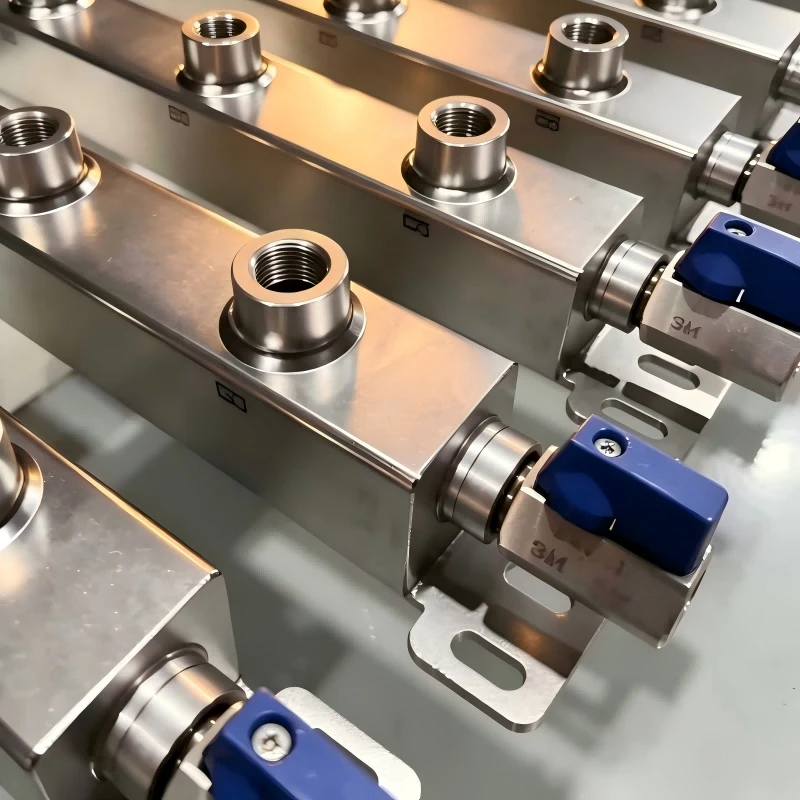
Even when a stainless steel pipe meets the required specifications, poor connections can still create leakage problems.
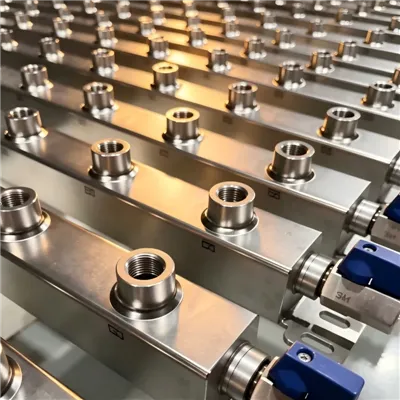
In data center liquid cooling systems, potential leakage points include welded pipe joints, flange connections, threaded fittings, valves, manifolds, and quick-disconnect couplings.
A poorly prepared weld, unsuitable gasket, incorrect fitting, or improperly installed connection can become a weak point in the system.
For stainless steel piping, welding quality depends on appropriate procedures, filler materials, joint preparation, and post-weld treatment where required.
What should buyers check?
- Whether the project requires seamless or welded pipes.
- The applicable welding and fabrication requirements.
- The required connection types.
- Inspection and documentation requirements.
- Whether pickling or passivation is specified for the application.
A high-quality stainless steel pipe does not automatically guarantee a leak-free piping system. The complete assembly and installation process must also be controlled.

4. Skipping Pressure Testing and Leakage Verification
A fourth purchasing mistake is failing to confirm how pipe integrity and system tightness will be verified before operation.
Pressure testing is an important part of piping inspection and commissioning. Without appropriate testing, defective welds, damaged connections, or installation-related leakage may remain undetected until the system is operating.
The test method, pressure, duration, medium, and acceptance criteria must follow the applicable piping code and project specification.
Inspection items worth confirming
- Visual inspection of pipe surfaces and connections.
- Dimensional verification.
- Material identification and documentation.
- Weld inspection where applicable.
- Hydrostatic or other approved leak testing.
- Inspection records and test reports.
For example, ASME B31.3 provides requirements for process piping design, fabrication, inspection, and testing where applicable to the project.
Ask the supplier to clarify the available inspection documents and whether the required testing can be performed according to the project specification. Establish testing requirements before production and delivery.

5. Choosing the Cheapest Supplier Without Checking Specification Consistency
Price is important in industrial procurement, especially for large data center construction projects. However, choosing a supplier based only on the lowest quotation can create additional risks.
Two quotations may both list 316L stainless steel pipes, but their actual supply specifications may differ in material traceability, dimensions, tolerances, surface condition, inspection documents, and delivery requirements.
For data center projects developed in multiple phases, specification consistency is particularly important. If additional pipes are required during system expansion, inconsistent dimensions or material documentation may complicate installation and future maintenance.
Compare suppliers using the same technical specification instead of comparing unit prices alone. A proper quotation should clearly identify the material, dimensions, applicable standard, quantity, delivery requirements, and available quality documentation.
Why Consider 316L Stainless Steel Pipes for Liquid Cooling Applications?
After understanding these five purchasing mistakes, buyers can better evaluate whether 316L stainless steel is appropriate for their cooling system.
316L stainless steel, also known as S31603, is widely used in industrial piping because of its corrosion resistance, low-carbon composition, and suitability for many welded piping applications.
Corrosion Resistance
316L contains molybdenum, which improves resistance to certain corrosive environments. Actual performance still depends on coolant chemistry and operating conditions.
Welding Suitability
Its low carbon content helps reduce sensitization risks associated with welding when appropriate fabrication procedures are followed.
Industrial Piping Applications
316L stainless steel pipes can be considered for different industrial piping configurations, subject to applicable design requirements and material compatibility assessment.
Specification Flexibility
Different outside diameters, wall thicknesses, and pipe lengths can be specified according to project requirements and supplier availability.
It is important to remember that selecting 316L does not eliminate every potential leakage or corrosion risk. Proper system design, compatible components, qualified installation, and regular maintenance remain essential.
Explore our 316L Stainless Steel Liquid Cooling Pipe product page for more information about available pipe options and specifications.
What Information Should You Prepare Before Requesting a Liquid Cooling Pipe Quote?
For procurement engineers and project managers, preparing the correct information in advance can reduce quotation delays and specification misunderstandings.
| Purchasing Item | Information to Provide |
|---|---|
| Material Grade | 316L / S31603 |
| Product Standard | ASTM A312, JIS G3459, or project-specified standard |
| Pipe Type | Seamless or welded |
| Outside Diameter | Required OD |
| Wall Thickness | Required thickness or schedule |
| Pipe Length | Standard or customized length |
| Surface Requirements | Project-specific finish |
| Quantity | Trial order or project quantity |
| Application | Data center liquid cooling or industrial cooling |
| Documentation | Required inspection and material documents |
If you do not have a complete specification, you can initially provide a drawing, preliminary dimensions, or project requirements for further discussion.
The more detailed the purchasing information, the easier it is to evaluate whether a supplier can meet your actual requirements.
Sourcing 316L Stainless Steel Pipes for Your Liquid Cooling Project?
As AI infrastructure expands across the United States, the Middle East, and Europe, the demand for reliable liquid cooling components continues to create new procurement opportunities.
However, reliable liquid cooling starts with proper engineering decisions. Choosing the right stainless steel pipe, confirming coolant compatibility, controlling connection quality, and verifying pressure requirements can help reduce avoidable procurement and installation risks.
China Super Tech Co., Ltd. supplies stainless steel pipes for industrial applications, including 316L (S31603) options. Available product standards and configurations can be discussed according to specific project requirements.
Looking for 316L Stainless Steel Pipes for Your Liquid Cooling Project?
Send us your required material grade, outside diameter, wall thickness, quantity, and application details.
Our team can help you review the supply requirements and discuss a suitable pipe solution.
Request a QuoteYou can also contact us at: sales@316liquidcooling.com
Note: Pipe material selection, coolant compatibility, pressure ratings, and inspection requirements should always be verified against the actual system design and applicable project standards.