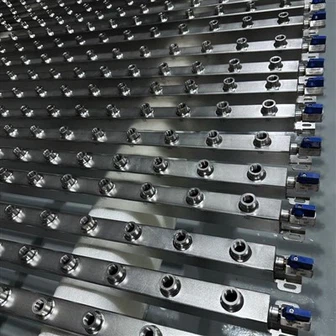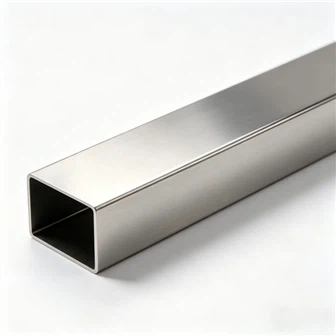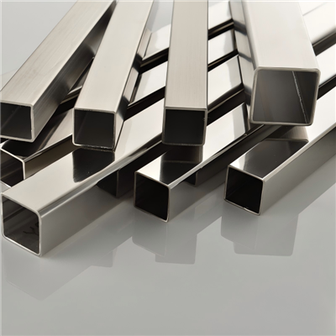
316 Stainless Steel Liquid Cooling Pipes Are The Best Choice For Solving Leaks in Data Center Liquid Cooling Systems
With the fast growth of AI servers, high-density GPU clusters, and supercomputing centers, liquid cooling has become a major part of the data center industry. Especially as the power density per rack keeps going up, traditional air cooling can no longer meet cooling needs. More and more data centers are starting to use cold plate liquid cooling, immersion cooling, and CDU circulation systems. But for the data center industry today, the real problem that bothers customers is not just cooling ability, but leakage after long-term operation of the liquid cooling system.
Many data centers run fine in the early stage of liquid cooling system startup, but after long-term high-pressure cycles, the system slowly starts to have micro-leaks, weld fatigue, connector corrosion, and coolant contamination. For AI data centers, one liquid cooling leak doesn't just cause equipment shutdown - it can also damage GPU boards, block cold plates, cause power shorts, and lead to thermal runaway in the whole rack. So more and more customers are starting to look again at the most basic but most overlooked part of the liquid cooling system - the piping material itself.
As a company that has focused on stainless steel liquid cooling pipe manufacturing for a long time, China Super Tech Co., Ltd., during our work with liquid cooling customers, many customers have reported a problem: many traditional liquid cooling pipes still use 304 stainless steel, aluminum pipes, or copper pipes, and they start leaking after some time. A big reason for this problem is that as AI server power keeps going up, the limits of these materials under long-term liquid cooling cycles start to show up. Especially in ethylene glycol coolant, deionized water, and high-flow-rate circulation environments, common materials tend to have pitting corrosion, crevice corrosion, and stress corrosion cracking. And the really dangerous thing is not a sudden burst, but pinhole-level micro-leaks that are hard to find.
China Super Tech Co., Ltd. believes that the places where liquid cooling systems fail the easiest are often not the pipe itself, but the weld heat-affected zone, the stress concentration areas at bends, and the connection joints. Under long-term thermal cycling and pressure pulses, material fatigue slowly creates micro-cracks, and that eventually leads to system leaks. So for high-reliability data centers, liquid cooling pipes don't just need corrosion resistance - they also need long-term structural stability.


This is why more and more high-end liquid cooling systems are switching to 316 stainless steel liquid cooling pipes. Companies like CoolIT Systems, in their data center liquid cooling solutions, have clearly mentioned using 304/316 stainless steel piping systems for high-density AI data center cooling. And companies like Vertiv, a big data center infrastructure company, are also putting more into AI liquid cooling. The industry has started moving from "able to cool" to "long-term reliable operation."
Compared to traditional 304 stainless steel, China Super Tech Co., Ltd.'s 316 material has 2% to 3% more molybdenum (Mo), which significantly improves pitting resistance and corrosion resistance, giving better stability in long-term liquid cooling circulation environments. Especially in AI server liquid cooling, CDU systems, cold plate circulation, and high-density rack scenarios, 316 stainless steel can effectively reduce micro-leak risk, and also has better fatigue resistance and stress corrosion resistance, making it more suitable for 24/7 data center environments.
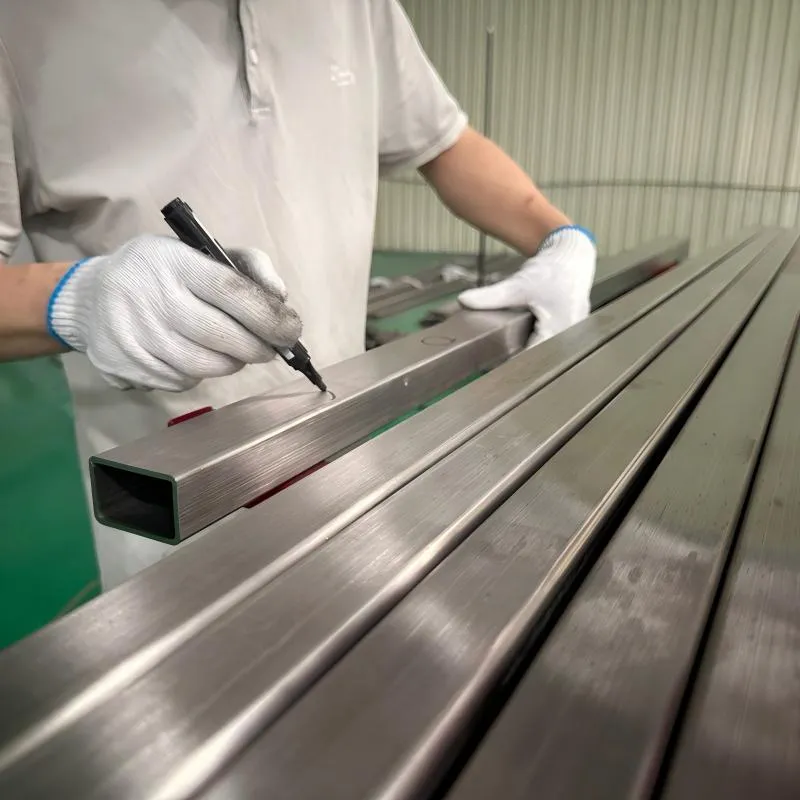
Beyond the material itself, China Super Tech Co., Ltd. also pays more attention to internal cleanliness of liquid cooling pipes. As modern liquid cooling cold plate channels get narrower, if the inside of the liquid cooling pipe has oxide layers, leftover weld slag, or metal particles falling off, it can easily cause micro-channel blockage and local hot spots. So China Super Tech Co., Ltd., in making 316 stainless steel liquid cooling pipes, uses BA bright annealing, electropolishing, and cleaning processes to reduce inner wall roughness and particle residue, improving the long-term stability of the whole liquid cooling system.
At the same time, the liquid cooling industry has higher and higher requirements for welding consistency. Many liquid cooling leaks actually come from unstable welding, not the material itself. China Super Tech Co., Ltd. uses automated welding, precision bending, and helium leak testing processes to do stricter leak control on liquid cooling pipes, to meet the demand for high-reliability liquid cooling systems for AI data centers.

For the future of the data center industry, competition in liquid cooling is no longer just about cooling efficiency - it's about system reliability. Especially in the age of high-density AI servers, customers care more and more about whether the liquid cooling system can run stably for 5 years, 8 years, or even longer. Looking at industry trends, 316 stainless steel liquid cooling pipes are gradually replacing traditional materials and becoming an important direction for reducing leak risk in liquid cooling systems. And China Super Tech Co., Ltd. is also continuing to provide higher-reliability 316 stainless steel liquid cooling pipe solutions for the global data center liquid cooling industry.
Contact us to get the best data center liquid cooling solution for you.
Tel/Fax: +86 10 8599 9168
WhatsApp/WeChat: +86 159 0035 7871
Email: